Book summary
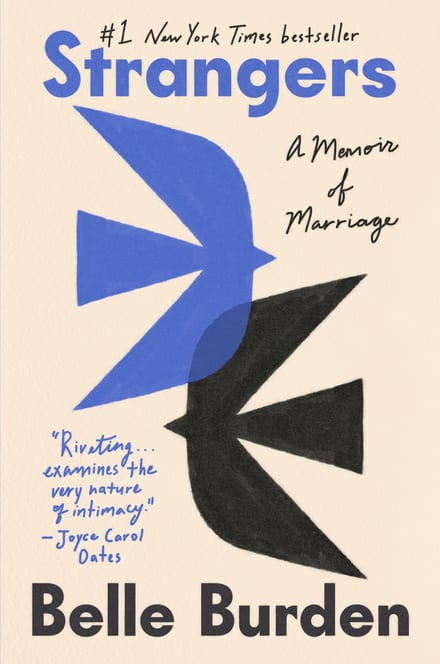
Strangers: A Memoir of Marriage
The full book runs ~256 pages — roughly 5 hours of reading. You get the key ideas here in 3 minutes.
The key ideas
- Betrayal exposed by a stranger's phone call during pandemic isolation
- One prenup concession, made for peace, became financial ruin
- Inherited silence: generations of women excusing men's affairs
- Rebuilding through daily walks, food banks, and pro bono law
- Breaking the pattern by publishing her story publicly
- Surviving without answers, releasing the husband turned stranger
The summary
Belle Burden’s twenty-year marriage ended with a stranger’s voicemail. It was March 2020, the first days of the pandemic, and she had retreated with her three children and her husband, James, to their home on Martha’s Vineyard. Then the message arrived: “I’m sorry to tell you this, but your husband is having an affair with my wife.” The next morning James told her he wanted a divorce and drove back to New York, and his follow-up text set the tone for everything that came after: “I’ll answer what I want, when I want. I’ll speak when I want. I’ll decide when I want.” The heart of the memoir isn’t the affair, though. It’s how a single accommodation Belle made two decades earlier, to keep the peace before her wedding, became the tool that nearly destroyed her—and how the instinct to make it traced back through generations of women in her family.
The concession that became a weapon
Belle and James met as lawyers at Davis Polk in 1998. Reeling from the sudden death of her father, she was drawn to his steadiness and traditional path, and when he proposed just months after their first kiss he promised, “Nothing bad will ever come of this.” But days before the wedding he asked to change their prenuptial agreement so that only assets placed in joint names would be split in a divorce, keeping their individual earnings separate. Her own lawyer warned her against it. She signed anyway, unwilling to start a marriage by making a scene.
The consequences unfolded slowly. Belle used her inheritance to buy both the New York apartment and the Vineyard house, putting each in joint names as a gift to the marriage, while James built a lucrative finance career and controlled the daily money with forensic scrutiny—down to making her annotate the credit card bills. When the marriage collapsed, that old amendment did exactly what it was built to do. James’s lawyer demanded that Belle buy him out of half the homes she had funded, or sell them. The prospect of losing her houses pushed her into severe suicidal thoughts. The weapon was one she had handed him herself.
An inherited silence
Belle came to see the pattern only in hindsight. Her grandmother, a well-known model, had endured her husband’s affairs; so had her mother. “I felt, in my bones, an acceptance of men behaving badly,” she writes, “and a premium placed on keeping such things private.” She had absorbed the rule without ever being taught it: make yourself small, don’t make scenes, protect the man’s reputation even after he betrays you.
James’s conduct made the cost of that silence vivid. He flew to the island on a borrowed seaplane to tell the children, paced before them in a mask, and announced flatly, “Mom and I are separated and we’re going to divorce. I haven’t been happy.” Then he asked Belle to make him a sandwich and went down to the basement to dig out the prenup. Later a neighbor mentioned he’d been tossing black garbage bags of his belongings, and he sold his vintage boat, his motorcycles, and his Rolex collection, shedding his old life “as quickly as he’d put it on.”
Walking through the sadness
Left alone on the island, Belle rebuilt herself through repetition. She walked as much as eight miles a day, calling it “literally walking through my sadness.” She volunteered at a food bank and took on pro bono immigration cases, returning to the legal work she had set aside to raise the children. When everything else had dissolved, the routines gave her days a shape.
The social aftermath was its own wound. At her tennis club, some friends closed ranks around her while others pulled away as if divorce were catching. One man informed her that James’s leaving was “a good thing,” his destiny finally unfolding, and she felt herself erased: “In this man’s telling, I was the casualty of someone else’s destiny.” James, meanwhile, refused meaningful custody, sending back an agreement stripped of overnights, vacations, and holidays and offering only Thursday dinners. His teenagers, he reasoned, were “fully formed human beings” he didn’t want to shuttle back and forth—which really meant he wanted his new life unencumbered.
Breaking the silence
They settled just before trial: Belle kept the homes, James kept the wealth he’d earned during the marriage. But her real reclamation came from writing. She published an essay about the abandonment in the New York Times “Modern Love” column, and though some club members gossiped, her mother celebrated it: “No more shutting up women about what men have always gotten away with.” Belle stopped waiting for the explanation James would never give, and when she spotted him waving on a New York street, she simply walked on, thinking, “He is someone I can survive without. He is someone I don’t know. He is someone who doesn’t know me.” Near the end, watching for the ospreys she feared had abandoned a shortened nesting pole on her property, she caught their silhouettes a year later and told them, “Welcome home.”
The bottom line
You cannot buy safety from betrayal by being accommodating, and the person you believe you married can turn into a stranger overnight. Recovery, for Belle, came from routine, work, and finally refusing the silence her family had passed down. Read this if you’ve ever signed something against your better judgment to keep the peace, or if you’re trying to break a pattern you didn’t know you’d inherited.
Frequently asked questions
What is Strangers about?
Belle Burden's twenty-year marriage ended with a stranger's voicemail about her husband's affair, and the next morning he asked for a divorce. But the memoir's real subject is how one accommodation she made two decades earlier, signing a prenup amendment against her lawyer's advice to keep the peace, became the tool that nearly destroyed her, and how that instinct traced back through generations of women in her family.
What are the key takeaways from Strangers?
The prenup change Belle signed to avoid a scene later let James demand she buy him out of the homes she had funded with her own inheritance. She comes to see an inherited silence, as her grandmother and mother both endured husbands' affairs and kept things private, and she breaks it by writing. Her recovery came through repetition: walking as much as eight miles a day, volunteering at a food bank, taking pro bono immigration cases, and finally publishing an essay that refused the family's silence.
Who should read Strangers?
Anyone who has ever signed something against their better judgment to keep the peace, or who is trying to break a pattern they didn't know they'd inherited.
Is Strangers worth reading?
It turns a painful divorce into a sharp look at how small concessions compound and how silence gets passed down, told through specific, vivid scenes. As a personal memoir it's one woman's story rather than general advice, so readers wanting a how-to guide to leaving or divorce won't find a manual here.