Book summary
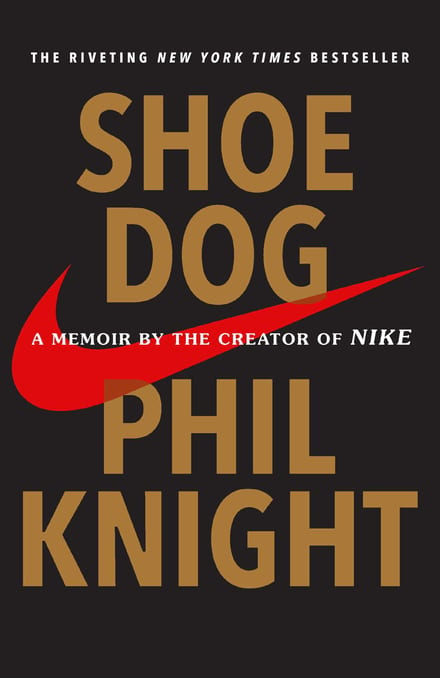
Shoe Dog: A Memoir by the Creator of Nike
The full book runs ~386 pages — roughly 7 hours of reading. You get the key ideas here in 3 minutes.
The key ideas
- Pursue a calling, not just a career or paycheck
- Survive cash crises by refusing to quit
- Turn every setback into fuel and a comeback
- Hire believers, grant autonomy, let them surprise you
- Outthink rivals through relentless product innovation
- Treat endorsers as teammates to earn fierce loyalty
The summary
Nike began as one runner’s obsession, not a business plan. Phil Knight loved running, and that love produced what he calls his Crazy Idea: import running shoes from Japan and sell them in America. The advice he draws from it runs through the whole memoir. Don’t settle for a job or a profession or even a career, he says—seek a calling, even if you don’t yet know what that means, because when you’re following one, “the fatigue will be easier to bear, the disappointments will be fuel, the highs will be like nothing you’ve ever felt.” And once you find it, refuse to quit: let everyone else call your idea crazy, and don’t even think about stopping until you get there, without wasting much thought on where “there” is.
Knight lived that advice from the start. Understanding that a serious company needed a global reach, he flew to Japan at twenty-four and talked the manufacturer Onitsuka into making him its U.S. distributor—lying that he already had a company, which he named Blue Ribbon after the award ribbons that had decorated his childhood wall. The lie became real. He mailed samples to Bill Bowerman, his old college coach and a famous Olympic track man, who liked the shoes so much he wanted in; Bowerman took 49% and Knight kept 51% with an investment from his father. The shoes sold out at track meets almost as fast as Knight could carry them.
Living on the edge of bankruptcy
Selling out sounds like triumph, but it created the problem that nearly sank the company for years: there was never enough cash. Shipments from Japan arrived late while bank loans came due, and aggressive growth swallowed money faster than sales could refill it. When Knight sensed Onitsuka was preparing to betray him and use other American distributors, he set up a backup manufacturer and a backup company—Nike, named for the Greek goddess of victory, a name Jeff Johnson suggested and Knight didn’t love. He liked the new logo no better; the Swoosh was designed by Carolyn Davidson for $35. Onitsuka then voided the contract and sued, and Blue Ribbon won only because the judge found their testimony more truthful.
The worst moment came when Nike’s bank dropped the company outright, leaving it unable to pay anyone. The Japanese trading firm Nissho Iwai, which had connected Knight with manufacturers, audited the books, found a financial mess, and yet believed in the company enough to pay off its debts and keep it alive. Later the U.S. Customs Service hit Nike with a $25 million retroactive import duty that would have finished the company. Knight fought back by airing an ad that cast the fine as the government suppressing business, won public sympathy, and got the bill cut to $9 million before settling, reluctantly. The pattern never changed: every setback was something to learn from and come back stronger, never a reason to fold.
Hire believers, then get out of their way
Knight is emphatic that a great company needs a great team, and Nike’s was small and fierce. Bowerman lent credibility as his athletes won Olympic medals, and he kept tinkering, reworking the shoes to fit heavier American runners. Jeff Johnson, a hard-driving runner from Knight’s college days, kept selling shoes even after a serious car accident and opened the first retail store. Bob Woodell, a paralyzed former track star, ran the second store and grew alongside the company. What held them together was Knight’s refusal to manage them closely. He hired people who believed they were making a real difference in athletes’ lives, then trusted them with the autonomy to prove it. “Don’t tell people how to do things,” he writes, “tell them what to do and let them surprise you with their results.” In a workplace he kept deliberately fun, they consistently outdid what he expected.
Innovation and the athletes who carried it
Nike could not outspend Adidas or Puma, so it had to outthink them. Knight studied Adidas closely—it pays to know what rivals are doing—but the real edge was constant invention. The most famous example is Bowerman pouring rubber into a waffle iron to create a gridded sole, a breakthrough that became a mainstream hit. Nike’s other innovation was how it treated the athletes who wore the shoes. Its first two endorsers, tennis star Ilie Nastase and runner Steve Prefontaine, were handled as valued teammates rather than billboards; because Olympic rules barred Prefontaine from taking endorsement money, Nike simply hired him as Director of Public Affairs. That generosity bred loyalty, and athletes were proud to represent the brand. Years later the company signed Michael Jordan in one of the most influential deals in sports history—luck, Knight admits, but the kind of luck you only get by working hard enough to be in position when the moment arrives. When Nike finally went public in 1980, the founders made millions, and Knight held onto 46% so the culture and vision stayed focused.
The bottom line
Nike grew out of a runner’s obsession, a $35 logo, and years of nearly running out of cash, kept alive by relentless invention, a team Knight told what to do but never how, and a flat refusal to stop. Reflecting on four decades as CEO, he credits an identity customers bought into—athletes at the heart, performance in every design, and a winning mindset behind “Just Do It.” Read this if you’re chasing a calling instead of a paycheck; read it twice if you think success is supposed to be smooth.
Frequently asked questions
What is Shoe Dog about?
Nike began as one runner's obsession, not a business plan. Phil Knight's love of running produced his "Crazy Idea" — import Japanese running shoes and sell them in America — and this memoir traces the company from that first hunch through years spent on the edge of bankruptcy. Its throughline is his advice to chase a calling rather than a job, and then flatly refuse to quit.
What are the key takeaways from Shoe Dog?
Seek a calling, because it makes the fatigue bearable and turns disappointments into fuel, and never think about stopping until you get there. Knight talked his way into a distributorship at 24, and the company that sold out its shoes still nearly died for years because aggressive growth swallowed cash faster than sales refilled it — yet every setback became something to learn from, not a reason to fold. Hire believers and get out of their way: tell people what to do, not how, and let them surprise you. And out-think rivals you can't outspend, the way Bowerman's waffle-iron sole and Nike's teammate treatment of its athletes did.
Who should read Shoe Dog?
Anyone chasing a calling instead of a paycheck — and read it twice if you think success is supposed to be smooth.
Is Shoe Dog worth reading?
It's an unusually honest founder story that dwells on the near-failures, cash crises, and self-doubt most business books skip, which makes it both gripping and instructive. It's a personal memoir rather than a how-to, so readers wanting a step-by-step playbook will get hard-won principles and inspiration more than a method.