Book summary
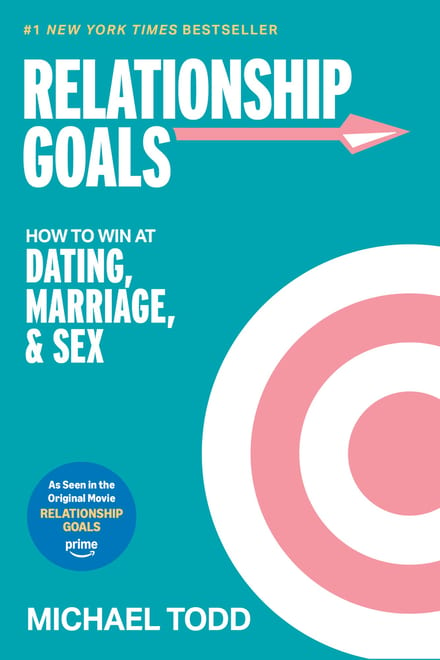
Relationship Goals
How to Win at Dating, Marriage, and Sex
The full book runs ~208 pages — roughly 4 hours of reading. You get the key ideas here in 3 minutes.
The key ideas
- Prioritize God first, yourself second, relationships after.
- Treat singleness as training to become whole, not waiting.
- Never date anyone you wouldn't actually marry.
- Judge people by their patterns, not their potential.
- Contain sex within marriage; meet needs, not earned wants.
- Kill unspoken expectations by voicing what you actually mean.
The summary
Most of us date the way we drive with a GPS: we punch in our own destination — the partner who ticks every box, the movie romance, the marriage that just works on its own — and then wonder why we never arrive. Michael Todd, the pastor behind this book, argues the whole premise is backward. Before you look for a person, you need a purpose, and the destination should be set by God rather than by pop culture or your own wishlist. One woman in his telling drew up requirements for a husband so unrealistic — a thriving business owner who was also a preacher — that no real human could satisfy them. The fix isn’t a better checklist; it’s a different starting point.
Purpose comes before a person
Todd puts two relationships ahead of any romance: your relationship with God, and your relationship with yourself. Everything else grows out of those. He points to his friend Doug, who walked away from his faith and then watched his business, his friendships, and his marriage collapse in turn — lose the foundation, and the structure above it gives way. The pattern goes back to Adam, who had both a relationship with God and a job to do before Eve ever arrived; she came alongside to help him fulfill that purpose, not to complete him. So a partner isn’t the goal. Your calling is the goal, and the right partner helps you pursue it.
Singleness is training, not waiting
Treat being single as a waiting room and you’ve missed the point. Todd reframes it as the season for “I”: invest in what you want to grow, imagine who you could become, and inspire others with what you already have. The logic is simple and hard to dodge — you can’t learn to love another person well if you haven’t first learned to love yourself while alone. The aim isn’t to become flawless before dating, but to become whole enough that you’re not hunting for someone to plug the gaps.
If they’re not mateable, they’re not dateable
From there, recreational dating starts to look like wasted motion. Dating is transportation, not a destination: like the tram at an airport, it’s meant to carry you toward somewhere, not to be a place you settle in. Todd’s rule is blunt — “if you wouldn’t marry the person, don’t go out with them.” And once you’re dating, watch patterns, not potential. Everyone could theoretically improve their weak spots; the real question is whether you can live with how someone consistently behaves right now.
Some relationships are simply liabilities rather than assets — they drain your peace, your joy, your time, whether it’s the perpetually negative friend who bends every conversation toward what’s wrong or a romance you forced into being out of impatience. Todd reaches for Abraham and Sarah, who couldn’t wait for God’s timing and pushed Hagar into the picture to produce a child, creating a painful mess that eventually had to be undone. When a relationship pulls you off your purpose, end it — swiftly, kindly, and cleanly, so both people can move on.
Sex and marriage take intention
Sex, in Todd’s central image, is like water: contained, it turns turbines and generates power; loose, it becomes hurricanes and floods. Inside marriage it’s a gift; outside it, he argues, it’s destruction. Within a marriage, it belongs to a set of genuine needs — he lists security, affection, and communication for women, and honor, respect, support, and sex for men — and the key move is to meet those needs rather than dole them out only once a partner has “earned” them. A want is a desire; a need is a requirement.
He pictures a healthy marriage as a triangle with God at the top and the two partners at the base: as each draws closer to God, they draw closer to each other. That closeness doesn’t mean dissolving into the relationship. One of the biggest threats to a marriage, he warns, is quitting your own growth — so keep returning to the habits of singleness, taking the course, breaking the bad habit, reading the book, because improving yourself adds to the marriage rather than subtracting from it. Communication is where couples most often stall, usually over expectations never spoken aloud. Todd confesses to once hurling his wife’s donut out of the car window because she hadn’t bought him a drink at a gas station — a drink he never asked for. Unspoken expectations set both people up to fail; say what you actually mean, and mind your tone while you do it.
The bottom line
Relationship goals aren’t about finding someone to complete you; they’re about becoming who you were made to be and finding a partner who helps you get there. Judge people by their patterns rather than their potential, and never date someone you wouldn’t marry. Read this if you’re done chasing the culture’s romance fantasy and want a faith-centered framework for building the real thing.
Frequently asked questions
What is Relationship Goals about?
Most people date the way they follow a GPS — punch in their own destination, the partner who ticks every box or the movie romance, and wonder why they never arrive. Michael Todd, a pastor, says the premise is backward: before you look for a person you need a purpose, and the destination should be set by God rather than pop culture or a wishlist. A partner isn't the goal; your calling is, and the right partner helps you pursue it.
What are the key takeaways from Relationship Goals?
Put your relationship with God and with yourself ahead of any romance — you can't love another person well until you've learned to love yourself. Treat singleness as training, not a waiting room: invest, imagine, and inspire. Judge people by their patterns, not their potential, and never date someone you wouldn't marry ("if they're not mateable, they're not dateable"). End relationships that pull you off your purpose, cleanly. And in marriage, meet genuine needs rather than doling them out, keep growing yourself, and say what you actually mean, because unspoken expectations set both people up to fail.
Who should read Relationship Goals?
Anyone done chasing the culture's romance fantasy who wants a faith-centered framework for building the real thing.
Is Relationship Goals worth reading?
It's direct and full of blunt, quotable rules like "dating is transportation, not a destination," and its emphasis on becoming whole before seeking a partner lands regardless of belief. The framework is explicitly Christian and leans on scripture throughout, so readers looking for secular relationship advice may find the faith foundation more central than they want.