Book summary
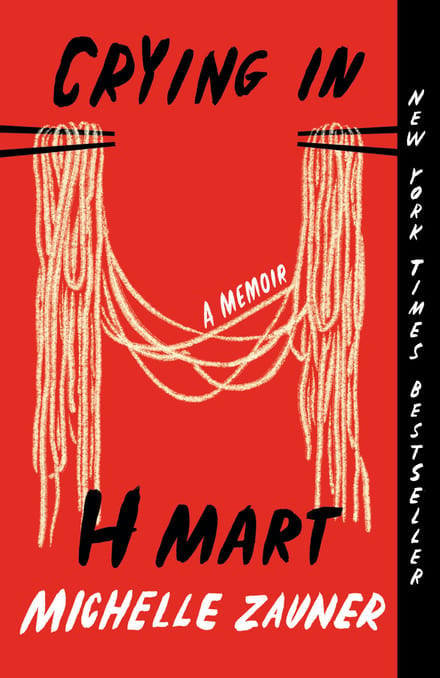
Crying in H Mart: A Memoir
A Memoir
The full book runs ~256 pages — roughly 5 hours of reading. You get the key ideas here in 5 minutes.
The key ideas
- Food carried her mother's love where words and measurements never did.
- Losing her mother meant losing her only living route into Korea.
- Caregiving means presence, not rescue, once the treatment stops working.
- Maangchi's YouTube videos taught the kimchi her mother never demonstrated.
- Fermentation looks like decay but starts a new life — so does grief.
- Practices, not just memories, are where a dead parent survives.
The summary
Michelle Zauner’s mother was her one living route into being Korean. Her father is a white American; she was born in Seoul but raised in Eugene, Oregon from infancy, and she can barely speak the language. So when her mother, Chongmi, died of cancer in 2014, her twenty-five-year-old daughter lost more than a parent — she lost the person who held the keys to half of who she was. Crying in H Mart, which grew out of Zauner’s 2018 New Yorker essay of the same name, is about what you do with an inheritance no one is left to hand you. Her answer: you go and take it yourself, aisle by aisle, dish by dish.
The H Mart of the title is the Asian supermarket chain — the “H” comes from han ah reum, a Korean phrase Zauner translates as roughly “one arm full of groceries.” It’s where she stands sobbing by the banchan refrigerators, asking, “Am I even Korean anymore if there’s no one left in my life to call and ask which brand of seaweed we used to buy?” That question is the book’s engine.
Food was her mother’s language
Chongmi never actually taught her daughter to cook. Korean home cooks, Zauner writes, disavow measurements and give instructions along the lines of “add sesame oil until it tastes like Mom’s.” What she passed down instead was a distinctly Korean appetite: kimchi at exactly the right sourness, hot food served piping hot, cravings chased daily instead of meals prepped for the week, seaweed soup on birthdays, pork belly fried outdoors when spring arrived. The mother in these pages is not soft. She is exacting and critical, quick to pluck lint and pick at slumped shoulders, and one of her sayings was save your tears for when your mother dies. But “In many ways, food was how my mother expressed her love,” Zauner writes — the affection radiated from packed lunches and from every meal made just the way her daughter liked it — food as the unspoken language between them.
Losing her meant losing a country
Every other year, mother and daughter flew to Seoul. The book keeps returning to her grandmother’s apartment: jet-lagged midnight raids on the refrigerator, Tupperware containers of homemade banchan, raw soy-marinated crab sucked from the shell with their fingers, her mother declaring, “This is how I know you’re a true Korean.” Back in Eugene, Zauner was the only Asian-American kid at her school; more than ten years of Friday Korean classes left her able to do little more than sound out signs. Discovering that Karen O of the Yeah Yeah Yeahs was also half Korean, she has said, was “like seeing myself for the first time.” Then, within five years, her aunt and her mother both died of cancer — and the H Mart trips became, in her words, a way of “collecting the evidence that the Korean half of my identity didn’t die when they did.”
You can care for someone you cannot fix
In May 2014, doctors found a rare stage IV cancer — a squamous-cell carcinoma that, on the book’s own hedged account, had likely started in the bile duct. Zauner moved home to Eugene and threw herself into the caregiver’s role reversal: the only child now grinding painkillers over ice cream cones and escorting her mother from appointment to appointment. “I felt we could go on like this for years,” she writes, “just fixing her.” The book refuses that fantasy. Chongmi had watched her own younger sister, Eunmi, die of colon cancer after twenty-four rounds of chemotherapy; when two rounds of her own chemo failed, she declined more. What was left was not rescue but presence — a hastily arranged wedding so that mother and daughter could choose the flowers and the dress together, and Zauner’s private shame that she didn’t know how to cook the Korean meals her sick mother craved, so another woman came to live with them and made them instead. Chongmi died that October, five months after the diagnosis.
Cooking as a way to keep someone
The grieving happens at the stove. Zauner learned Korean cooking after her mother’s death from YouTube videos by Maangchi, the cook she has called her “digital guardian angel,” until she could make kimchi herself. Fermentation, she realizes, only looks like controlled death — brined and stored, the cabbage isn’t decaying but starting a new life — and she decides her memories and her Koreanness must be tended the same way. “If I could not be with my mother, I would be her.” The book closes the circle in Seoul: her band Japanese Breakfast toured an album bearing a photograph of her mother in her twenties, she played the city where her mother was raised, and the final scene lands in a karaoke bar with her aunt Nami.
The bottom line
Grief in this book never resolves; it ferments — changes form, stays alive, becomes something that can feed you. A dead parent survives in practices, not just memories, and cooking her food is a way of refusing to let half of yourself die with her. Read it if you’ve lost a parent or are losing one, if you’re the child of an immigrant holding a hyphenated identity together, or if a supermarket aisle has ever turned into a memorial on you.
Frequently asked questions
What is Crying in H Mart about?
Michelle Zauner was twenty-five when her Korean mother, Chongmi, died of cancer in 2014, and the memoir is about what happens when the one person holding half your identity is gone. Zauner was born in Seoul, raised in Eugene, Oregon by a Korean mother and a white American father, and can barely speak the language. Standing sobbing by the banchan refrigerators at the Asian supermarket H Mart, she asks whether she's even Korean anymore with no one left to call — and then goes about taking the inheritance herself, dish by dish.
What are the key takeaways from Crying in H Mart?
Food was Chongmi's language: she never taught her daughter to cook, but she passed down an appetite — kimchi at the right sourness, seaweed soup on birthdays, hot food served piping hot. Caregiving turned out to mean presence rather than rescue; after watching her sister endure twenty-four rounds of chemotherapy, Chongmi declined more when two rounds failed. And grief here works like fermentation: brined and stored, the cabbage isn't decaying but starting a new life, which is how Zauner decides to tend her memories and her Koreanness. She learned Korean cooking after the death from Maangchi's YouTube videos, until she could make kimchi herself.
Who should read Crying in H Mart?
Anyone who has lost a parent or is losing one, and anyone holding a hyphenated identity together as the child of an immigrant. It will land hardest if a supermarket aisle has ever turned into a memorial on you.
Is Crying in H Mart worth reading?
It earns its reputation by refusing consolation — the grief never resolves, it just changes form, and the mother on the page is exacting and critical rather than softened for the reader. The cooking gives the book something most grief memoirs lack: a concrete practice you can watch someone learn. Readers looking for a music memoir about Japanese Breakfast should know the band is a side note here, not the subject.