
Reading path
Work Out What You Want
Seven books for the question underneath the others — what to point a life at, when it's cheapest to decide, and what it all adds up to.
Most self-help answers “how” long before anyone has settled “what.” This path runs at the harder question — when the decisions are cheapest, how to choose work that compounds, and what people who reached the end say actually mattered.
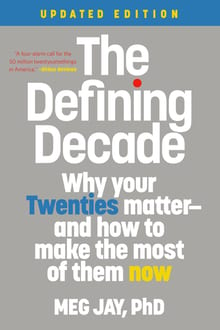
The Defining Decade: Why Your Twenties Matter—And How to Make the Most of Them Now
Start with the timing. Jay's case is that the twenties aren't a holding pattern — they're when the big choices are cheapest to make and most expensive to skip, because pay compounds early and identity capital takes years to accumulate.
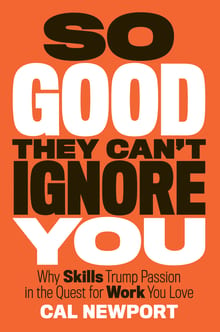
So Good They Can't Ignore You: Why Skills Trump Passion in the Quest for Work You Love
Then the correction to the advice everyone gives. Newport's argument is that 'follow your passion' has it backwards: you build rare and valuable skills first, and the passion arrives as a by-product of being good.
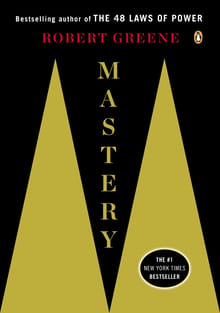
Mastery
Then the long version of what Newport is asking for. Greene's apprenticeship is years of deep observation, one skill ground past conscious thought, and a mentor you take everything from and then leave — pointed at the pull you felt before anyone told you what to want.
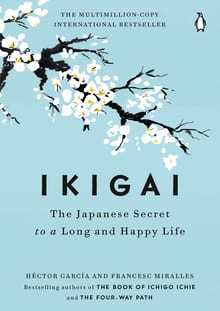
Ikigai: The Japanese Secret to a Long and Happy Life
The Japanese framing of the same question, and a gentler one. Not a career strategy — the overlap between what you love, what you're good at, and what people actually need, held lightly enough to live inside.
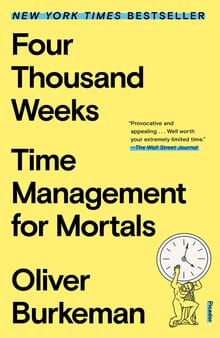
Four Thousand Weeks: Time Management for Mortals
Now the constraint nobody plans around. Burkeman's arithmetic: about four thousand weeks in a life, which means the point was never to get everything done. Choosing is the whole job.
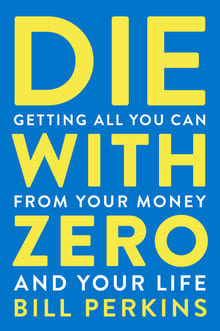
Die with Zero
So spend it deliberately. Perkins on timing your money against your health rather than your retirement date — experiences bought at 35 pay dividends for decades that the same money at 75 can't.
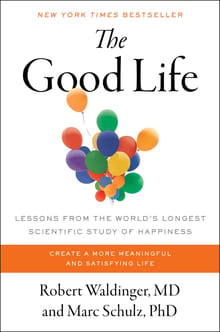
The Good Life: Lessons from the World's Longest Scientific Study of Happiness
Finish with the evidence. Eighty-odd years of the Harvard Study following the same men, and the finding that survived everything: it's the quality of your relationships, not the career, that predicts how the life goes.