
Reading path
What Stress Does to Your Body
Five books on the physiology of pressure — what chronic stress does to a body, where it turns up as illness, and the levers that actually blunt it.
Stress rarely causes a disease outright — it tips the odds on a great many of them. This path starts with what the hormones actually do, follows the load into the illnesses and histories it shows up in, and ends on the two levers with the best evidence behind them.
Why Zebras Don't Get Ulcers: The Acclaimed Guide to Stress, Stress-Related Diseases, and Coping
Start with the mechanism, because everything else here assumes it. Sapolsky's argument is that the stress response is a superb three-minute emergency system, and the damage comes from running it for weeks over things you can't outrun.
When the Body Says No: The Cost of Hidden Stress
Then the clinical version of the same claim. Maté's cases are patients whose illness arrived after years of swallowing what they felt — a stronger claim than Sapolsky's, argued from the consulting room rather than the lab, and worth reading against him rather than after him.
The Body Keeps the Score: Brain, Mind, and Body in the Healing of Trauma
Where the load is severe enough to reshape a nervous system. Van der Kolk on trauma as something stored in the body rather than filed in memory — which is why talking about it often isn't enough on its own.
Breath: The New Science of a Lost Art
Now the fastest lever, and the least glamorous. Nestor on how you breathe all day — through which orifice, how fast, how deep — and its reach into stress, sleep and blood pressure.
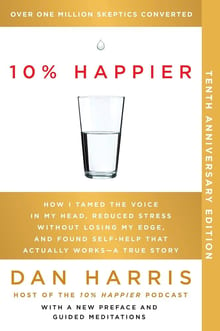
10% Happier
Finish with the practice that changes the appraisal rather than the stressor, told by someone who found it ridiculous. Harris is a news anchor who had a panic attack on live television and went looking for the least embarrassing possible fix.