
Reading path
Stop People-Pleasing
Seven books for anyone who says yes automatically and resents it later — where the habit starts, what it costs, and how to put a boundary down.
People-pleasing rarely feels like a choice — it feels like being a decent person. This path goes from where the habit was learned, through the bill it quietly runs up, to the sentence you use when the guilt shows up.

No More Mr. Nice Guy: A Proven Plan for Getting What You Want in Love, Sex, and Life
Start with the diagnosis. Glover's covert contract: I give, you're supposed to repay, and neither of us admits the deal exists. It's why being endlessly good breeds resentment instead of love.
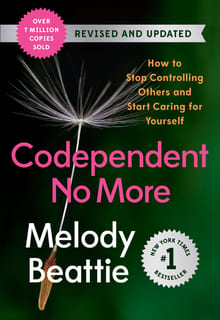
Codependent No More
The older, broader version of the same wound. Beattie on the point where caring for someone becomes losing track of yourself entirely.
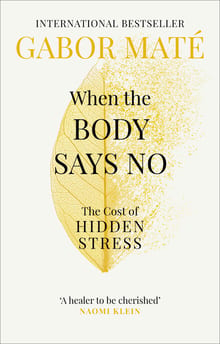
When the Body Says No: The Cost of Hidden Stress
What it costs. Maté spent years in palliative care watching the same personality show up in the same illnesses — accommodating, uncomplaining, angry nowhere. Stress you never voice doesn't disappear.
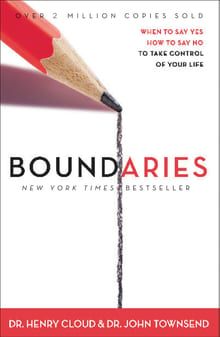
Boundaries
The mechanics. What a boundary actually is, why saying no isn't a betrayal, and how to hold one when the other person pushes back.
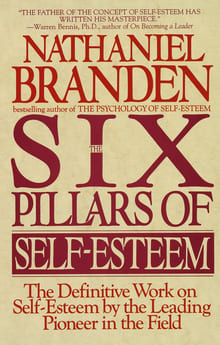
The Six Pillars of Self-Esteem
What you're building instead. Branden's practices — self-acceptance, self-responsibility, self-assertiveness — are the reason a no becomes possible rather than terrifying.
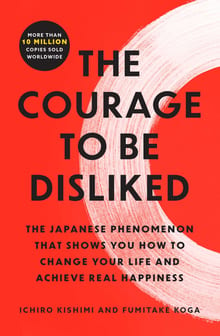
The Courage to Be Disliked
The philosophical release valve. Separate your tasks from theirs: your job is to act well, their reaction is their business — and being disliked is the price of a life you chose.
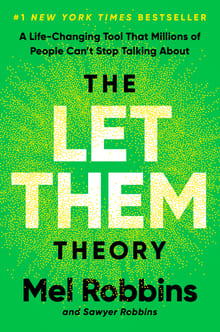
The Let Them Theory
The daily practice. Robbins' two words for the moment you feel the pull to manage someone else's opinion of you: let them.