
Reading path
Stoicism from Scratch
New to Stoicism? This is the path — from the original source to its modern, practical translations.
Two thousand years old and suddenly everywhere, for good reason. Start at the source, then let the modern writers turn it into a method.
Meditations
Start at the source. Marcus Aurelius wrote this for himself, never to publish — which is exactly why it lands. Read it slowly, a page at a time.
Letters from a Stoic
Same philosophy, a teacher instead of a diary. Seneca writes to one friend across 124 letters — guard your time, rehearse the worst, hold wealth loosely enough to drop it.
Man's Search for Meaning
Frankl isn't labelled a Stoic, but Auschwitz taught him the core Stoic move: you can't always choose what happens, only how you meet it.
The Obstacle Is the Way
Holiday turns the philosophy into a method. Every setback is raw material — this is the book that shows you how to use it.
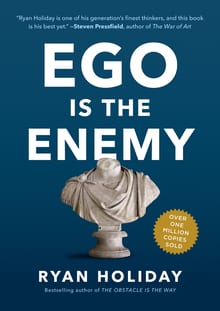
Ego Is the Enemy
The companion to Obstacle. Success threatens your character more than failure does; this is how the Stoics stayed grounded through both.
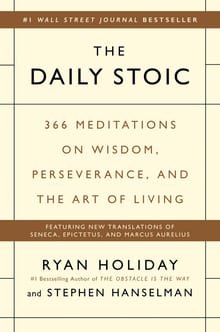
The Daily Stoic: 366 Meditations on Wisdom, Perseverance, and the Art of Living
Now make it a habit. Holiday and Hanselman cut the philosophy into 366 dated entries, sorted into Epictetus's three disciplines — one short passage a morning, which is how the Stoics meant it to be used.
Tao Te Ching
A turn east. Different tradition, same instinct — stop forcing, work with the grain of things. It sharpens the Stoic idea of control.