
Reading path
Raising Kids Without Losing It
Five books from the newborn months to the teenage phone — what's actually going on in there, and how to respond without making it worse.
Roughly in the order you’ll need them, from the newborn months to the teenage bedroom. The throughline is the same each time: work out what’s actually happening in the child in front of you before deciding what to do about it — and the last book is the one that explains why that’s hard for you specifically.
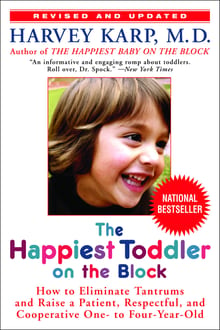
The Happiest Baby on the Block
Start at the beginning, when it's least personal. Karp's claim is that newborns cry because they're effectively born three months early and homesick for the womb — which turns an unanswerable problem into a set of things you can actually do.
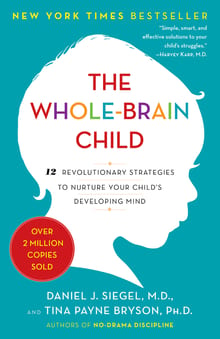
The Whole-Brain Child: 12 Revolutionary Strategies to Nurture Your Child's Developing Mind
Then the years when it starts feeling personal. Siegel and Bryson reframe the meltdown as a wiring problem rather than a discipline failure: connect before you redirect, help them name the feeling, and treat the worst moments as where the wiring gets built.
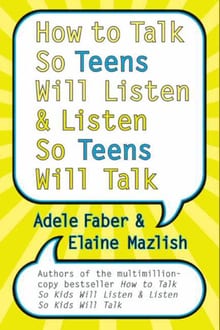
How to Talk So Kids Will Listen & Listen So Kids Will Talk
Now the day-to-day script. Faber and Mazlish are relentlessly practical about the same idea from the other end — kids cooperate when they feel understood, not when they're threatened, and most of the fight is in how you open your mouth.

The Anxious Generation
Then the part you don't control alone. Haidt's argument is that a phone-based childhood displaced the risky real-world play kids need, and that the timing of the teen mental-health collapse is not a coincidence.
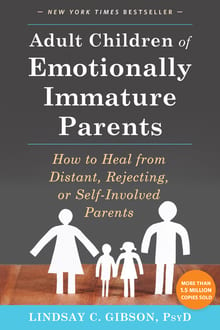
Adult Children of Emotionally Immature Parents
Finish by looking backward. Gibson is writing for the grown child of a parent who couldn't meet them emotionally — read here as the clearest available description of what you're trying not to hand on.