
Reading path
Raised on Screens
Seven books on what phones did to attention, mood and childhood — the diagnosis, the neuroscience, the playbook behind it, and what to do about it.
Not a panic and not a shrug. Read in this order they build a case — what changed, why it landed so hard on the brain, what it took from your attention — and only then get to what you can do.
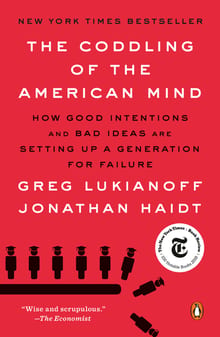
The Coddling of the American Mind: How Good Intentions and Bad Ideas Are Setting Up a Generation for Failure
The first version of the argument, from 2018. Three bad ideas about fragility and feelings, and the six trends — including a teen mental-health crisis — that carried them.

The Anxious Generation
Haidt again, six years and much more data later. The play-based childhood ended around 2012 and a phone-based one replaced it; here's what the numbers did next.
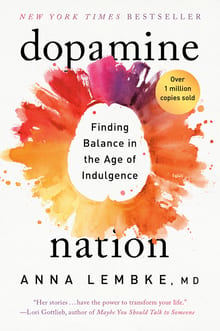
Dopamine Nation
The mechanism, from an addiction psychiatrist. Pleasure and pain share a balance, and a device engineered for the pleasure side leaves you paying on the other.
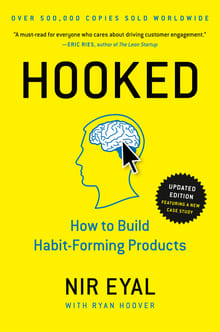
Hooked: How to Build Habit-Forming Products
The same mechanism from the other side of the glass. Eyal's four-step loop is the playbook the products were built on — read it to recognise what's being run on you.
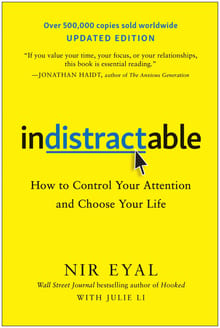
Indistractable: How to Control Your Attention and Choose Your Life
Eyal's own answer to the book above. Having taught companies how to build the hook, he argues the trigger that starts it is internal — and the fix has to start there too.
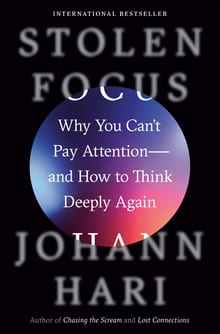
Stolen Focus
What it cost your attention specifically — and Hari's insistence that this is an engineered problem, not a personal failing you can discipline your way out of.
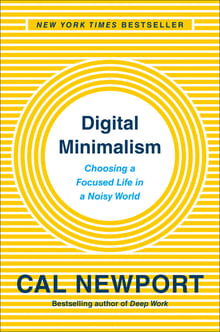
Digital Minimalism: Choosing a Focused Life in a Noisy World
The practical exit. Newport's thirty-day declutter and the rule that a tool earns its place only if it serves something you actually value.