
Reading path
Race in America
Nine books on the American racial order — the testimony it starts with, how it was built, how it's enforced now, and what it costs the people inside it.
Where to start if you want the argument made properly rather than a headline version of it. The order runs from the two first-hand narratives the argument begins with — one man’s, one woman’s, and they are not making the same case — through the migration that reshaped the country and the structure behind it, to how it’s enforced and what it costs the people inside it, then finally back out to the history the rest of it grew from.
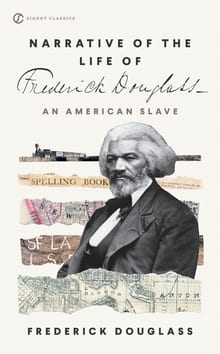
Narrative of the Life of Frederick Douglass: An American Slave
Start with the primary document. Douglass published in 1845 while still a fugitive, naming real masters and real places, and his case is that slavery had to manufacture ignorance to hold — which is why a reading lesson was enough to panic the man who owned him.
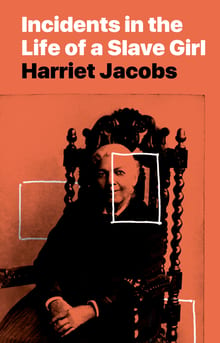
Incidents in the Life of a Slave Girl: Written by Herself
Then the half his account leaves out. Jacobs published in 1861 writing for free Northern women, and her case is that the standard of virtue they'd judge her by assumes a woman who can refuse and be obeyed. Dismissed as fiction for over a century until an archivist proved it true.
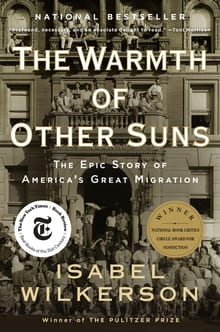
The Warmth of Other Suns: The Epic Story of America's Great Migration
Then what people did about it. Six million left the South between 1915 and 1970, and Wilkerson follows three of them — the history the rest of this list is arguing over.
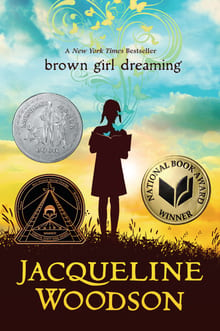
Brown Girl Dreaming
The same migration at a child's height. Woodson is shuttled between an Ohio she barely remembers, her grandparents' Greenville and a Brooklyn her mother left the South for — and the civil rights era reaches each of those places at a different speed, which is the whole education.
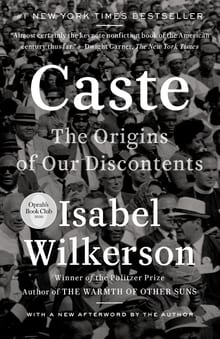
Caste: The Origins of Our Discontents
Then the framework. Wilkerson names the system those three were running from, and puts it beside India's and the Third Reich's to show the machinery.
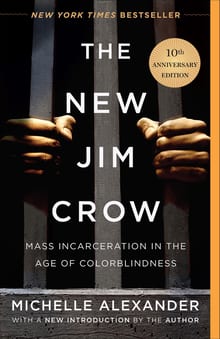
The New Jim Crow
How it's enforced today. Alexander's case that mass incarceration rebuilt legalized discrimination under a different name — drug war, felony record, permanent second class.
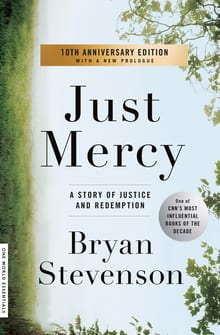
Just Mercy
The system with faces on it. Stevenson defends the condemned in Alabama, one case at a time, and the pattern in who ends up on death row is not subtle.
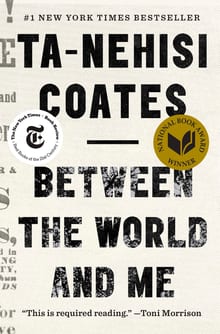
Between the World and Me
What it does inside one family. Coates writes to his fifteen-year-old son about the body, the fear, and a friend killed by an officer charged with nothing.
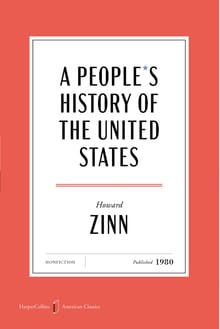
A People's History of the United States
Zoom back out. Zinn retells the whole country from below — the people the standard textbook keeps in the footnotes.