
Reading path
Power Without the Ethics Lecture
Six books that describe how influence actually gets used rather than how it ought to be — read them as field guides to what's being done to you, not instructions.
These books share a method: describe the behaviour, skip the verdict. That makes them genuinely useful and genuinely misusable, and it’s worth being honest that the same page can be read either way. The order runs from strategy in the abstract to power in a state, to power between individuals, to desire, to the version playing out at your own kitchen table — and finishes with the one book here that turns the lens around. Read as reconnaissance they’re excellent. Read as a manual they tend to cost their readers the relationships they were aimed at.
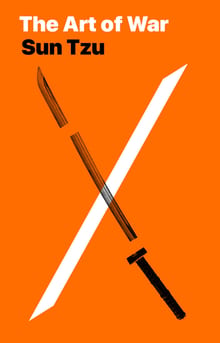
The Art of War
Start at the abstract end, where it's still respectable. Sun Tzu's subject is winning without fighting — position, timing, knowing the ground and the other side better than they know themselves. Everything below is this applied to people.
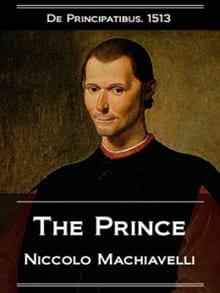
The Prince
The founding scandal. Machiavelli's move was to describe what rulers actually do instead of what a virtuous ruler should do, and five centuries later his name is still an insult for it. Notice how much of the offence is simply that he wrote it down.
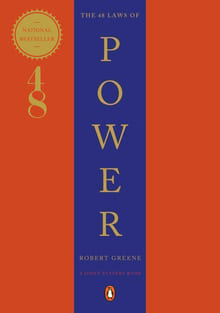
The 48 Laws of Power
The modern compendium, and the most-read book on this list by a distance. Greene strips the historical anecdotes down to forty-eight rules with no moral frame at all — which is exactly why it gets read in prisons, boardrooms and locker rooms alike.
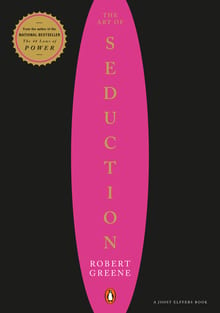
The Art of Seduction
Its companion volume, and the one that shows the machinery best. Greene treats desire as the same problem as power — nine seducer types, eighteen kinds of target, a twenty-four-step campaign — and the last appendix drops the pretence that any of it is about romance by explaining how to sell to a crowd.
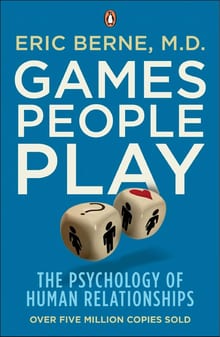
Games People Play: The Psychology of Human Relationships
Now the domestic scale. Berne's transactional analysis catalogues the small repeating manoeuvres people run on each other — the ones with a hidden payoff nobody admits to — and it's the book on this list you'll recognise your own week in.
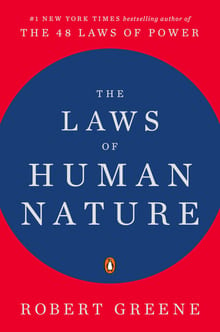
The Laws of Human Nature
End with Greene arguing against the earlier Greene. Same research, same appetite for case studies, but the aim has shifted from working people to seeing them clearly — including yourself. It's the closest this shelf comes to an answer.