
Reading path
The Money Starter Pack
Ten books that take you from broke-and-anxious to a plan you actually understand — no finance degree required.
Personal finance isn’t complicated once someone shows you the order to learn it in. Start with the mindset, end with the plan.
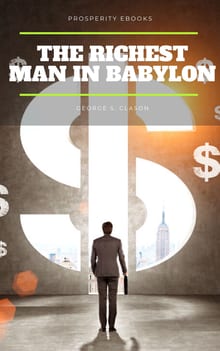
The Richest Man in Babylon
Start here. Parables from ancient Babylon that make one rule stick: pay yourself first, and always keep a slice of what you earn.
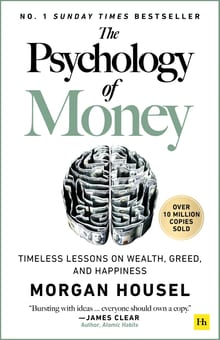
The Psychology of Money
Housel's point is that doing well with money is less about math than behaviour. Read this before any tactic — it fixes the mindset first.
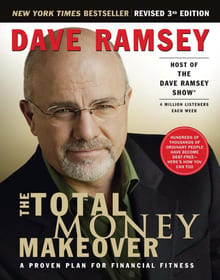
The Total Money Makeover: A Proven Plan for Financial Fitness
If you're carrying consumer debt, take this detour first. Ramsey's seven steps in strict order, smallest balance paid off first — deliberately worse math, chosen because momentum is what people actually finish on.
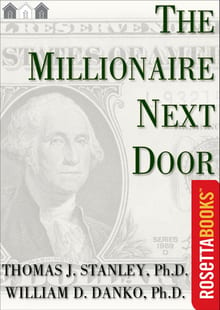
The Millionaire Next Door: The Surprising Secrets of America's Wealthy
The research that killed the myth. Most real millionaires drive used cars and live below their means. Wealth is quiet.
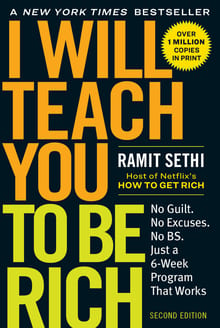
I Will Teach You to Be Rich
Sethi turns it into a system: automate the accounts, ignore the noise, spend guiltlessly on what you love. The practical spine of the path.
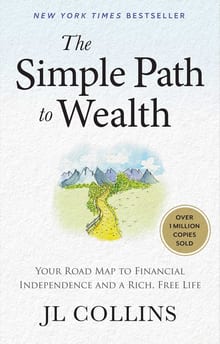
The Simple Path to Wealth
The endgame in one idea — low-cost index funds, held for decades. Collins wrote it as letters to his daughter, and it reads like it.
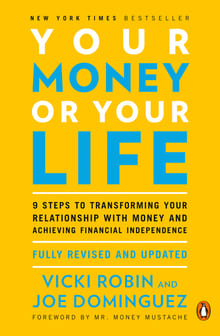
Your Money or Your Life: 9 Steps to Transforming Your Relationship with Money
The book that seeded the FIRE movement. It reframes money as 'life energy' — the hours of your life you trade for it — and shows how to reach 'enough' so you can stop trading.
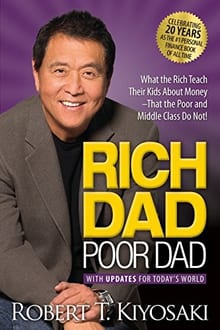
Rich Dad Poor Dad: What the Rich Teach Their Kids About Money That the Poor and Middle Class Do Not
Light on specifics and much argued-over, but it reframes one thing well: buy assets that pay you, not liabilities that cost you.
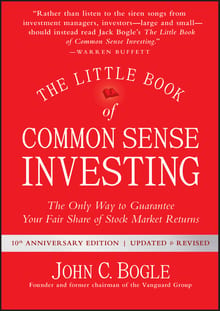
The Little Book of Common Sense Investing: The Only Way to Guarantee Your Fair Share of Stock Market Returns
The man who built the first index fund, making the case in arithmetic: 2 percent a year in fees eats 61 percent of a 50-year gain. Costs are the one thing you control.
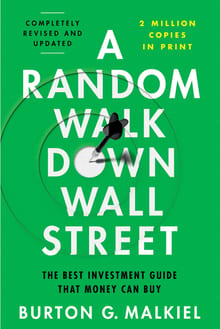
A Random Walk Down Wall Street: The Time-Tested Strategy for Successful Investing
Finish with the evidence underneath all of it. Malkiel on four centuries of bubbles and the studies that gutted stock-picking — the reason the index advice holds.