
Reading path
How Wall Street Actually Works
Five books on where the money really comes from — a crash, a trading floor, the deal that defined private equity, the risk nobody models, and the escape hatch.
Four of these are about how money is actually made on Wall Street rather than how it’s explained afterwards, and the fifth argues the whole arrangement is the problem. Read in order, they run from the crash that set the template to the case for opting out of it.
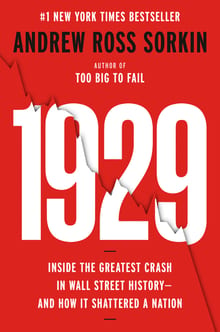
1929
Start at the crash everything else is measured against. Not a morality tale about greed — an account of how leverage, margin buying and a story everyone believed turned a correction into a decade.
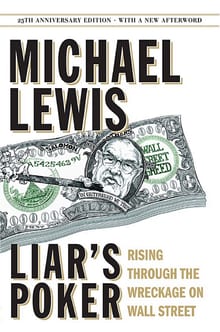
Liar's Poker: Rising Through the Wreckage on Wall Street
Then get inside the building. Lewis was hired onto a Salomon Brothers bond desk in the 1980s knowing nothing, paid enormously, and rewarded for selling clients whatever the firm needed off its own books. He meant it as a warning and readers took it as a career guide.
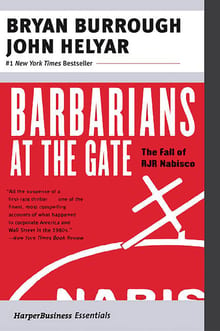
Barbarians at the Gate: The Fall of RJR Nabisco
Now watch the machinery on its biggest day. The 1988 RJR Nabisco buyout, reconstructed by two Wall Street Journal reporters — nobody breaks a law, everyone behaves rationally given their own incentives, and a company still gets sold at a record price with its own balance sheet as collateral.
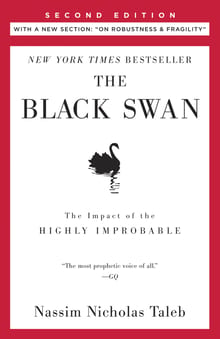
The Black Swan: The Impact of the Highly Improbable
The reason all of the above keeps happening. Taleb on the rare, enormous event no model contains — and why a track record built in calm years tells you almost nothing about the year that matters.
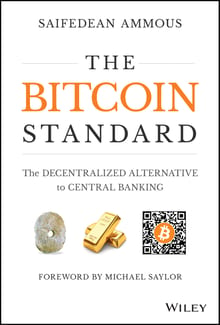
The Bitcoin Standard: The Decentralized Alternative to Central Banking
End with the loudest argument that the problem is the money itself. Ammous makes the hard-money case against central banking — partisan, contested, and worth reading precisely because it rejects the premise the other four share.