
Reading path
Get Good at Something
Eight books on how skill is actually built — what makes learning stick, what deliberate practice demands, and what being good buys you.
Almost everything written about getting good is either research nobody applies or advice with nothing underneath it. This runs from the evidence to the practice to the reason you’d bother.
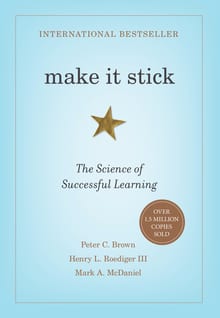
Make It Stick: The Science of Successful Learning
Start with the research, because your instincts are wrong. Rereading feels productive and isn't; retrieval, spacing and interleaving feel like failure and work.
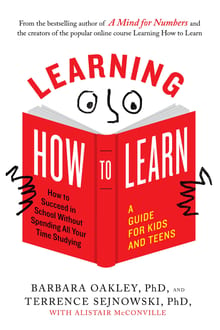
Learning How to Learn
The same findings turned into a routine you can run this week — focused and diffuse modes, chunking, and what to do when you're stuck.
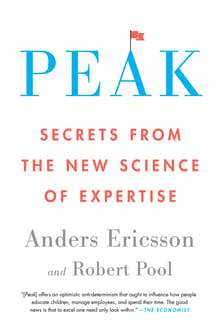
Peak
Ericsson on the ceiling-raiser: deliberate practice, done at the edge of what you can do, with feedback. Not ten thousand hours of anything.
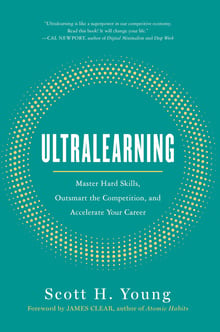
Ultralearning: Master Hard Skills, Outsmart the Competition, and Accelerate Your Career
The same principles run at full intensity, by people with no teacher and no curriculum. Young's nine rules for aggressive self-directed projects — and what they cost.
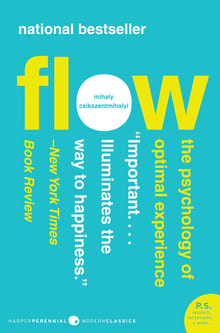
Flow: The Psychology of Optimal Experience
What the hard practice feels like when it's working. Csikszentmihalyi on the band where challenge just exceeds skill — the reason difficulty can be absorbing rather than grim.
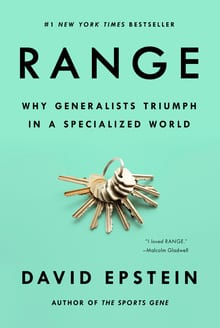
Range: Why Generalists Triumph in a Specialized World
The necessary caveat. Epstein's evidence that early specialization mostly wins in tidy fields, and that sampling widely beats a head start in messy ones.
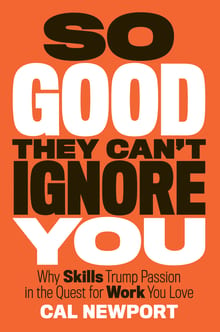
So Good They Can't Ignore You: Why Skills Trump Passion in the Quest for Work You Love
What the skill is for. Newport's case that career capital, not passion, is what buys you work worth doing — and that you have to earn it first.
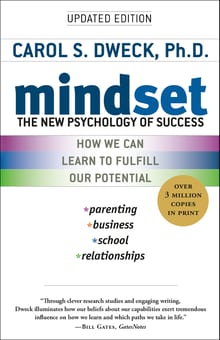
Mindset: The New Psychology of Success
And what keeps you in it. Dweck on why believing ability is fixed makes difficulty feel like a verdict instead of the point.