
Reading path
Before You Buy a Stock
Six books that argue with each other about whether picking stocks works — read in the order that lets you decide for yourself.
The honest version of this argument has no winner, which is why it’s worth reading both sides in order. Graham and Lynch make the case that a careful individual can beat the market; Malkiel and Bogle show the evidence that almost nobody does; Taleb points out that the rare event nobody modelled will decide more than any of it.
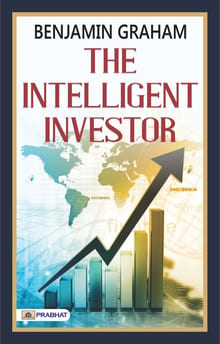
The Intelligent Investor
Start with the book that drew the line between investing and speculating. Graham's two ideas outlast every market he wrote about: buy a business for less than it's worth, and treat the market as a moody neighbour quoting prices rather than an authority on value.
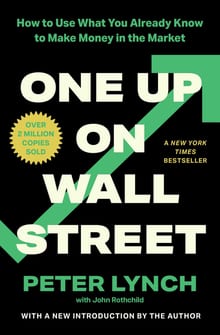
One Up on Wall Street: How to Use What You Already Know to Make Money in the Market
The best case for doing it yourself, from someone who ran Fidelity's Magellan Fund for thirteen years. Lynch says you spot good companies as a customer before Wall Street does — then spends the book insisting that noticing is not research.
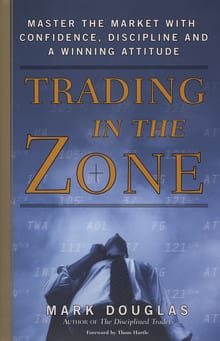
Trading in the Zone: Master the Market with Confidence, Discipline, and a Winning Attitude
Before the case against, the problem neither side talks about: you. Douglas coached traders who had a workable method and overrode it anyway — moved the stop, sized up, sat out the one signal that would have paid. His fix is accepting risk before the trade, not more analysis.
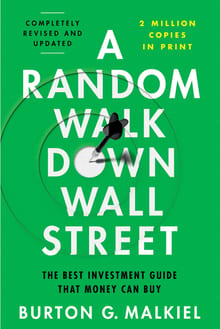
A Random Walk Down Wall Street: The Time-Tested Strategy for Successful Investing
Now the case against. Malkiel walks four centuries of bubbles and the studies that gutted stock-picking, and concludes that nobody reliably knows more than the market does.
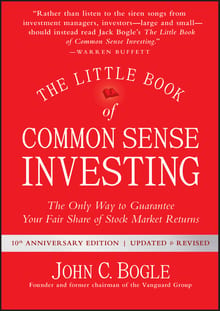
The Little Book of Common Sense Investing: The Only Way to Guarantee Your Fair Share of Stock Market Returns
The arithmetic that settles it for most people. The man who built the first index fund on why costs are the one variable you control — and why 2 percent a year eats most of a lifetime's gains.
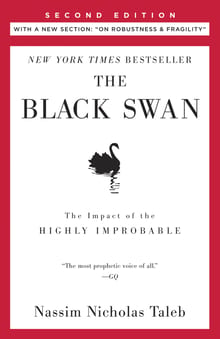
The Black Swan: The Impact of the Highly Improbable
Finish with what all four of the above underrate. Taleb on the rare, enormous event that no model saw coming — and the reason a track record tells you less about the future than it appears to.