
Reading path
Arguments About What to Believe
Six books that argue for incompatible answers to the same question — what makes a life good, and who gets to say. Read in order, they're a conversation.
These six disagree, and that’s the point. Each one is a serious answer to the question of what a person should believe and how they should live — a map of the arguments, the founding one, the case for a moral order behind the universe, that same case told as satire from the other side, the case that we invented the whole thing, and a modern attempt to get by without settling it. Read in order they read as one long conversation, and the disagreements are more useful than any single book’s conclusions.
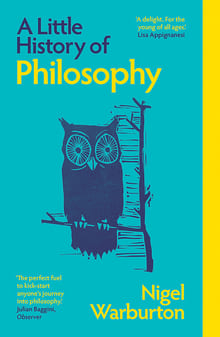
A Little History of Philosophy
Start with the map. Warburton runs from Socrates to Singer in forty short chapters, and the point isn't the answers — it's watching the same handful of questions get re-opened every century by someone who thought the last lot had botched it.
The Republic
Then the argument everything after is a reply to. Plato asks whether you'd still be just if nobody could catch you, and answers with a whole city — justice as reason ruling appetite, in a soul and in a state. Note how much of it you refuse, and why.
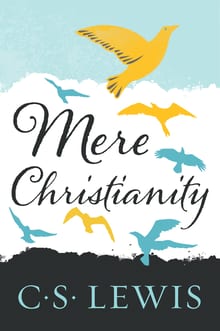
Mere Christianity
Lewis takes the opposite route: start from the fact that people quarrel about fairness, and argue upward to a moral law nobody invented. Written for a country under bombardment and delivered on the radio, which is why the reasoning is so plain even where you resist it.
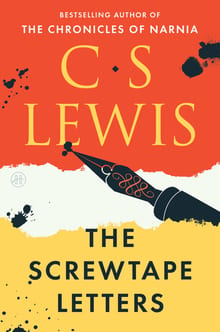
The Screwtape Letters
Then Lewis again, arguing the same case in the opposite register. A senior devil coaches his nephew on losing an ordinary man — every word inverted, so the advice is the warning. It's the argument above with the reasoning taken out and the psychology left in, and it lands on readers who won't sit through the radio talks.
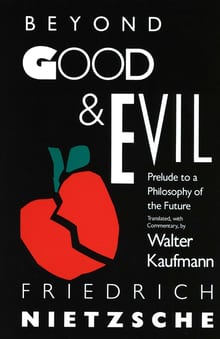
Beyond Good and Evil
Now the demolition. Nietzsche says the moral law Lewis hears is a human artifact with a history — and that every philosopher above has been writing autobiography while claiming to write proof. Read straight after the two Lewis books and they grind against each other.
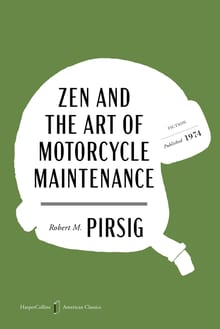
Zen and the Art of Motorcycle Maintenance: An Inquiry Into Values
Finish with someone trying to live in the wreckage. Pirsig takes the split between reason and feeling on a motorcycle across Montana and lands on care for the work in front of you — the least systematic answer here, and the one that survives contact with a Tuesday.