Book summary
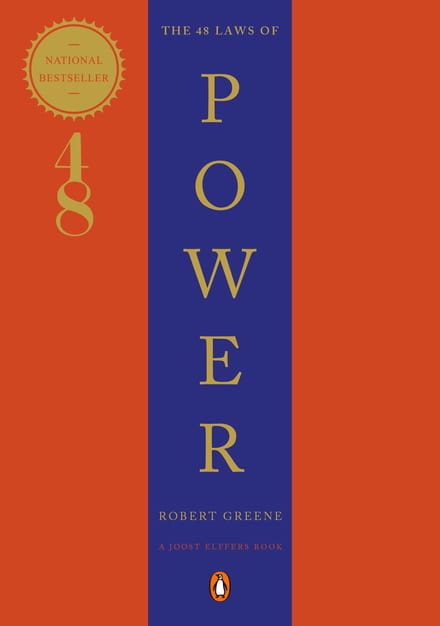
The 48 Laws of Power
The full book runs ~452 pages — roughly 8 hours of reading. You get the key ideas here in 4 minutes.
The key ideas
- Hide intentions; say less and stay unpredictable.
- Guard reputation obsessively, but never outshine your superior.
- Make achievements look effortless to seem irreplaceable.
- Leverage others' work while keeping them dependent on you.
- Appeal to self-interest, never to mercy or gratitude.
- Master timing, stay adaptable, and seduce hearts and minds.
The summary
Power isn’t taken by force. It’s won by controlling what other people see and believe about you. The instant your desires become obvious, you hand rivals a map for using you against yourself. The instant you become predictable, you become manageable. Robert Greene builds all 48 of his laws on a single premise: those who rise learn to conceal, misdirect, and stay opaque while everyone around them reveals too much.
Keep your intentions hidden
The first discipline is silence about what you actually want. Say less than necessary — the more you talk, the more ammunition you give away and the more chances you create to look foolish. Ask questions instead. Pose as a friend and work as a spy, gathering what you need through indirect conversation. Cultivate enough unpredictability that people never feel settled around you; a person who can’t be read can’t be planned against.
Let others make the first move, too. Make them come to you, using bait if you must, so they abandon their own schemes to react to yours. The moment you’re the one responding, you’ve already surrendered the initiative. And when you want to win, win through your actions, not your arguments. A verbal victory breeds resentment and fades; a demonstrated result speaks for itself and lasts.
Guard your reputation, never eclipse the boss
Reputation is the cornerstone of power, so protect it obsessively — it’s better to be slandered than ignored. Court attention at all costs, but never outshine the master. Making a superior feel inadequate is the fastest route to your own ruin. Let them feel comfortable and secure; if you can’t, keep your distance.
When you do succeed, make it look effortless. Hide the sweat and the method, and people will assume your talent can’t be copied. Act like royalty and you’ll be treated that way — carry yourself with calm confidence, and others will believe in your greatness because you clearly do. Stage the occasional spectacle, since grand visual gestures skip past reason and land straight in the emotions. But never seem too perfect; a few visible, harmless flaws make you human and hold envy at bay.
Use people while protecting yourself
Put other people’s skills, work, and knowledge to use, then take the credit and secure your position. Don’t teach anyone so thoroughly that they no longer need you — dependence is what keeps your influence intact. A small, well-timed act of honesty or generosity disarms a target and softens them for the larger request to come.
When you need help, appeal to self-interest, never to mercy or gratitude. Exaggerate what the other person stands to gain; self-interest is the most dependable motive there is. Stay uncommitted, avoiding other people’s quarrels, because independence earns respect and room to maneuver. Be wary of friends, who often hide envy behind affection, and consider using an enemy instead — his motives are at least clear. If you must crush an enemy, crush him completely, leaving no opening for revenge.
Master timing and stay formless
Power concentrates. It lives in a single revenue stream or a handful of key people, so find where it actually sits and either control it or neutralize it. Strike the shepherd and the sheep scatter.
Plan all the way to the end, thinking through every contingency so nothing blindsides you — but don’t harden into rigidity. Assume formlessness and adapt constantly, because refusing to change is the surest way to lose everything. If you must push reform, introduce it gradually; too much change at once provokes revolt. Master timing so you never look rushed, and use absence to raise your value. In victory, know when to stop, because overconfidence clouds judgment and leaves you exposed.
Above all, work on hearts and minds through seduction rather than coercion. Learn what people feel and want, then make them want to do what you ask. Play to their fantasies, find the insecurity every person hides, and control their choices by offering a few options while quietly withholding the rest — so they feel free even as you steer the outcome.
The bottom line
Power is a performance: you win by governing what others see, staying one step ahead of their expectations, and making them act on terms you set. Read this if you want to understand the unwritten rules behind hierarchy, influence, and ambition — or if you need to spot these tactics the moment someone tries them on you.
Frequently asked questions
What is The 48 Laws of Power about?
Its premise is that power isn't taken by force but won by controlling what other people see and believe about you, since the moment your desires become obvious or your behavior predictable, you become easy to manage. The 48 laws all teach the same discipline: conceal, misdirect, and stay opaque while others reveal too much.
What are the key takeaways from The 48 Laws of Power?
Keep your intentions hidden, say less than necessary, and let others make the first move so you keep the initiative. Guard your reputation obsessively but never outshine the boss, and make your successes look effortless. Put other people's skills to work, then take the credit, and keep others dependent so your influence stays intact. Appeal to self-interest rather than mercy when you need help, stay uncommitted, and if you must crush an enemy, do it completely. Master timing, assume formlessness and adapt, and work on hearts and minds through seduction rather than coercion.
Who should read The 48 Laws of Power?
It's for anyone who wants to understand the unwritten rules behind hierarchy, influence, and ambition, or who needs to spot these tactics the moment someone tries them.
Is The 48 Laws of Power worth reading?
It's a clear, unsentimental map of how influence and manipulation actually operate, useful as much for defense as for offense. The morality is deliberately cold, so readers looking for ethical leadership advice, or who would be uncomfortable applying tactics like exploiting dependence and crushing enemies, may prefer to read it as a warning rather than a manual.